Connect With Us
Blog
Items filtered by date: February 2026
Tuesday, 10 February 2026 00:00
What to Expect When Children Develop Foot Warts
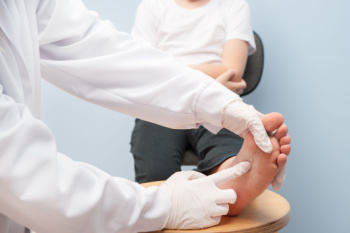
Cutaneous or foot warts in school-aged children are caused by a common virus that enters the skin through small cuts or abrasions. These warts often appear on the soles of the feet or toes and may look rough, thickened, or grainy. Some children feel no discomfort, while others experience pain while walking or standing. The course of warts varies. In many cases, a child’s immune system clears them over time, but this process can take months or longer. During that time, warts may spread or increase in size, especially in warm, moist environments like locker rooms or near pools. Treatment helps reduce discomfort and limit spread. Options may include topical therapy, gentle removal techniques, or other in- office treatments designed for children. If your child has painful, spreading, or persistent foot warts, it is suggested that you see a podiatrist for a proper diagnosis and appropriate treatment.
Plantar warts can be very uncomfortable. If you need your feet checked, contact David Reynolds, DPM from First Podiatry. Our doctor will assist you with all of your foot and ankle needs.
About Plantar Warts
Plantar warts are the result of HPV, or human papillomavirus, getting into open wounds on the feet. They are mostly found on the heels or balls of the feet.
While plantar warts are generally harmless, those experiencing excessive pain or those suffering from diabetes or a compromised immune system require immediate medical care. Plantar warts are easily diagnosed, usually through scraping off a bit of rough skin or by getting a biopsy.
Symptoms
- Lesions on the bottom of your feet, usually rough and grainy
- Hard or thick callused spots
- Wart seeds, which are small clotted blood vessels that look like little black spots
- Pain, discomfort, or tenderness of your feet when walking or standing
Treatment
- Freezing
- Electric tool removal
- Laser Treatment
- Topical Creams (prescription only)
- Over-the-counter medications
To help prevent developing plantar warts, avoid walking barefoot over abrasive surfaces that can cause cuts or wounds for HPV to get into. Avoiding direct contact with other warts, as well as not picking or rubbing existing warts, can help prevent the further spread of plantar warts. However, if you think you have developed plantar warts, speak to your podiatrist. He or she can diagnose the warts on your feet and recommend the appropriate treatment options.
If you have any questions, please feel free to contact our office located in Evansville, IN . We offer the newest diagnostic and treatment technologies for all your foot care needs.
Tuesday, 03 February 2026 00:00
Types of Foot Ulcers
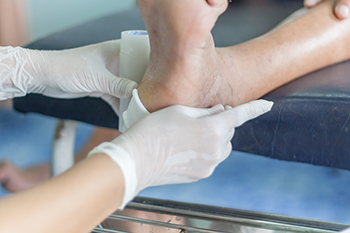
Foot ulcers are open sores that develop on the feet and can lead to serious complications if not treated promptly. Common types include diabetic ulcers, arterial ulcers, and pressure related ulcers. Diabetic ulcers often occur due to nerve damage and poor circulation, leading to unnoticed injuries. Arterial ulcers are caused by reduced blood flow, making it difficult for wounds to heal. Additionally, pressure damage ulcers develop from prolonged friction or constant pressure on certain areas of the foot. Symptoms may include redness, drainage, swelling, pain, or a wound that does not heal. A podiatrist can identify the type of ulcer, address underlying causes, and provide wound care, helping to prevent infection or limb loss. If you have a foot wound, it is strongly suggested that you are under the care of a podiatrist who can determine the type and provide appropriate treatment.
Wound care is an important part in dealing with diabetes. If you have diabetes and a foot wound or would like more information about wound care for diabetics, consult with David Reynolds, DPM from First Podiatry. Our doctor will assess your condition and provide you with quality foot and ankle treatment.
What Is Wound Care?
Wound care is the practice of taking proper care of a wound. This can range from the smallest to the largest of wounds. While everyone can benefit from proper wound care, it is much more important for diabetics. Diabetics often suffer from poor blood circulation which causes wounds to heal much slower than they would in a non-diabetic.
What Is the Importance of Wound Care?
While it may not seem apparent with small ulcers on the foot, for diabetics, any size ulcer can become infected. Diabetics often also suffer from neuropathy, or nerve loss. This means they might not even feel when they have an ulcer on their foot. If the wound becomes severely infected, amputation may be necessary. Therefore, it is of the upmost importance to properly care for any and all foot wounds.
How to Care for Wounds
The best way to care for foot wounds is to prevent them. For diabetics, this means daily inspections of the feet for any signs of abnormalities or ulcers. It is also recommended to see a podiatrist several times a year for a foot inspection. If you do have an ulcer, run the wound under water to clear dirt from the wound; then apply antibiotic ointment to the wound and cover with a bandage. Bandages should be changed daily and keeping pressure off the wound is smart. It is advised to see a podiatrist, who can keep an eye on it.
If you have any questions please contact our office located in Evansville, IN . We offer the newest diagnostic and treatment technologies for all your foot and ankle needs.
