Treatment of Adult Acquired Flat Feet

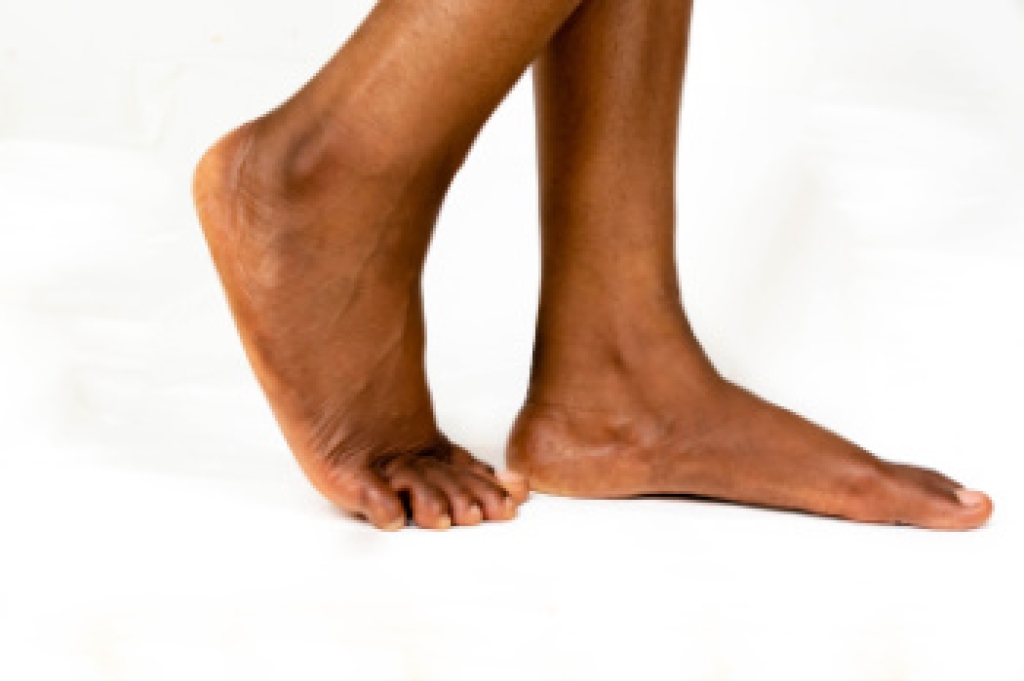
Adult-acquired flatfoot, also known as posterior tibial tendon dysfunction, can be a source of significant discomfort for many adults. Adult-acquired flatfoot develops when the posterior tibial tendon weakens, causing the arch of the foot to collapse gradually. Symptoms can include pain along the inside of the ankle, swelling, difficulty standing on tiptoes, and increased discomfort during weight-bearing activities. A podiatrist can perform an assessment of your foot's flexibility and alignment, and may order X-rays or other imaging techniques to assess the condition of the tendon and bones. Treatment options typically start conservatively with custom orthotics or ankle braces to support the foot and alleviate pain. Activity modifications and anti-inflammatory medications may also be recommended. In cases where conservative treatments do not provide sufficient relief, surgical tendon repair or fusion procedures may be considered to restore stability and function to the affected foot. If you are experiencing problems related to flat feet, it is suggested that you schedule an appointment with a podiatrist for treatment. 

Flatfoot is a condition many people suffer from. If you have flat feet, contact David Reynolds, DPM from First Podiatry. Our doctor will treat your foot and ankle needs.

What Are Flat Feet?

Flatfoot is a condition in which the arch of the foot is depressed and the sole of the foot is almost completely in contact with the ground. About 20-30% of the population generally has flat feet because their arches never formed during growth.

Conditions & Problems:

Having flat feet makes it difficult to run or walk because of the stress placed on the ankles.

Alignment – The general alignment of your legs can be disrupted, because the ankles move inward which can cause major discomfort.

Knees – If you have complications with your knees, flat feet can be a contributor to arthritis in that area.  

Symptoms

  • Pain around the heel or arch area
  • Trouble standing on the tip toe
  • Swelling around the inside of the ankle
  • Flat look to one or both feet
  • Having your shoes feel uneven when worn

Treatment

If you are experiencing pain and stress on the foot you may weaken the posterior tibial tendon, which runs around the inside of the ankle. 

If you have any questions, please feel free to contact our office located in Evansville, IN . We offer the newest diagnostic and treatment technologies for all your foot care needs.
Read more about Flat Feet

The Pain of Plantar Fasciitis

Plantar fasciitis causes heel pain, resulting from inflammation of the plantar fascia, the thick band of tissue that runs along the bottom of the foot and connects the heel bone to the toes. It typically occurs due to repetitive strain or overuse, often seen in runners, individuals with high arches or flat feet, and those who stand for prolonged periods. The pain from plantar fasciitis is usually sharp and most intense with the first steps in the morning or after periods of inactivity. It may decrease with movement but can return after long periods of standing or walking. Relief can consist of rest, stretching exercises, and taking anti-inflammatory medication. Wearing supportive shoes and using orthotic inserts can also help. Preventative measures involve maintaining a healthy weight, performing regular foot stretches, and avoiding excessive strain on the feet. If left untreated, plantar fasciitis can lead to chronic heel pain and other complications. If you have heel pain, it is suggested that you visit a podiatrist for a proper diagnosis and an effective treatment plan. 

Plantar fasciitis can be very painful and inconvenient. If you are experiencing heel pain or symptoms of plantar fasciitis, contact David Reynolds, DPM  from First Podiatry. Our doctor can provide the care you need to keep you pain-free and on your feet.

What Is Plantar Fasciitis?

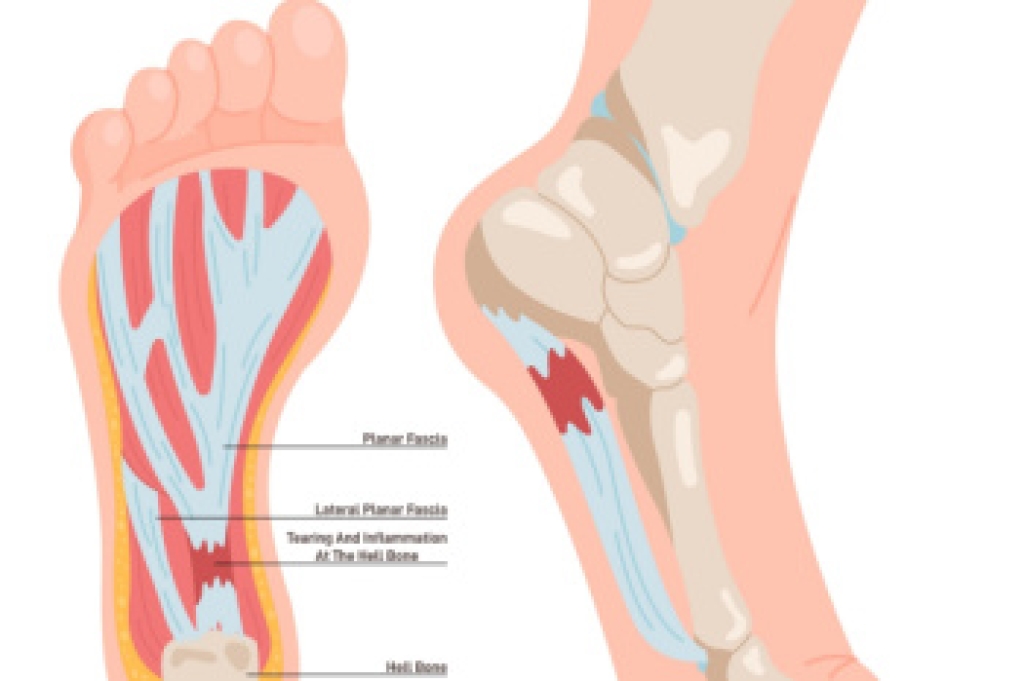
Plantar fasciitis is the inflammation of the thick band of tissue that runs along the bottom of your foot, known as the plantar fascia, and causes mild to severe heel pain.

What Causes Plantar Fasciitis?

  • Excessive running
  • Non-supportive shoes
  • Overpronation
  • Repeated stretching and tearing of the plantar fascia

How Can It Be Treated?

  • Conservative measures – anti-inflammatories, ice packs, stretching exercises, physical therapy, orthotic devices
  • Shockwave therapy – sound waves are sent to the affected area to facilitate healing and are usually used for chronic cases of plantar fasciitis
  • Surgery – usually only used as a last resort when all else fails. The plantar fascia can be surgically detached from the heel

While very treatable, plantar fasciitis is definitely not something that should be ignored. Especially in severe cases, speaking to your doctor right away is highly recommended to avoid complications and severe heel pain. Your podiatrist can work with you to provide the appropriate treatment options tailored to your condition.

If you have any questions, please feel free to contact our office located in Evansville, IN . We offer the newest diagnostic and treatment technologies for all your foot care needs.

Read more about Plantar Fasciitis

Cracked Heels and How to Prevent Them

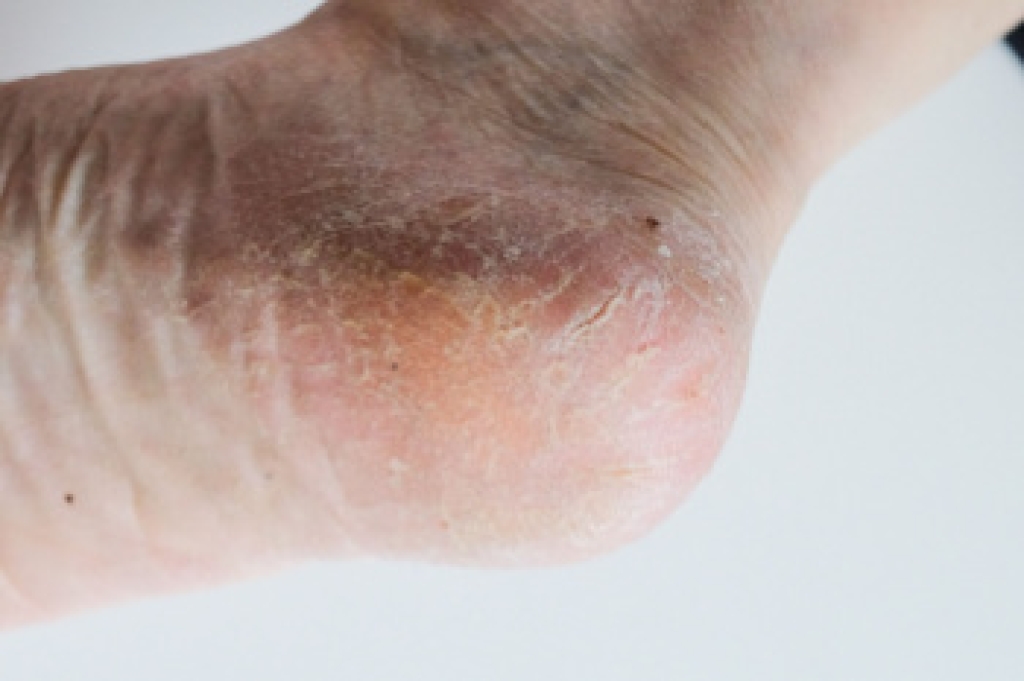
Cracked heels, also known as heel fissures, are characterized by dry, thickened skin on the heels that splits or cracks. This condition often occurs due to factors such as dry weather, excessive standing or walking, improper footwear, or lack of proper foot care. When the skin becomes dry and loses its elasticity, it can crack under pressure, leading to painful fissures that may bleed or become infected, if left untreated. Prevention of cracked heels involves regular moisturizing to keep the skin hydrated and supple. Use a thick, emollient foot cream or lotion containing ingredients like urea or glycerin to help soften and moisturize dry skin. Exfoliating the heels regularly with a pumice stone or foot file can help remove dead skin cells and prevent the buildup of calluses. Additionally, wearing properly fitting shoes with adequate support and cushioning can reduce pressure on the heels and minimize the risk of developing cracked heels. If you have developed cracked heels that persist or become infected, it is strongly suggested that you visit a podiatrist for treatment.

Cracked heels are unsightly and can cause further damage to your shoes and feet. If you have any concerns, contact David Reynolds, DPM from First Podiatry. Our doctor can provide the care you need to keep you pain-free and on your feet.

Cracked Heels

Cracked heels appear unappealing and can make it harder for you walk around in sandals. Aside from looking unpleasant, cracked heels can also tear stockings, socks, and wear out your shoes. There are several methods to help restore a cracked heel and prevent further damage.

How Do You Get Them?

Dry skin is the number one culprit in creating cracked heels. Many athletes, walkers, joggers, and even swimmers suffer from cracked heels. Age and skin oil production play a role to getting cracked heels as well.

Promote Healing

Over the counter medicines can help, especially for those that need instant relief or who suffer from chronic dry feet.

Wear Socks – Wearing socks with medicated creams helps lock in moisture.

Moisturizers – Applying both day and night will help alleviate dryness which causes cracking.

Pumice Stones – These exfoliate and remove dead skin, which allows for smoother moisturizer application and better absorption into the skin. 

Change in Diet

Eating healthy with a well-balanced diet will give the skin a fresh and radiant look. Your body responds to the kinds of food you ingest. Omega-3 fatty acids and zinc supplements can also revitalize skin tissue.

Most importantly, seek professional help if unsure how to proceed in treating cracked heels. A podiatrist will help you with any questions or information needed. 

If you have any questions, please feel free to contact our office located in Evansville, IN . We offer the newest diagnostic and treatment technologies for all your foot care needs.

Read more about Solutions for Cracked Heels

Exercises Can Improve Foot Health

Ensuring the health of your feet is paramount for overall well-being, yet it is a facet of the body that is often disregarded until discomfort arises. With the intricate structure of 28 bones, more than 30 joints, numerous ligaments, tendons and muscles, your feet demand regular maintenance. Starting out the day with gentle calf stretches has been pivotal in alleviating strain, and is especially beneficial for individuals susceptible to overuse conditions like plantar fasciitis. Incorporating simple foot massages with a roller or water bottle aids in releasing tension and fosters relaxation. This simple exercise also offers respite after enduring hours of standing or activity. Foot exercises concentrating on the arch area serve to fortify foot muscles, thereby enhancing stability and bolstering support. By integrating these exercises into your daily routine, you can help to ward off foot pain and fatigue, enabling you to remain on your feet for extended periods of time with reduced strain. If you are experiencing persistent foot pain or discomfort, it is suggested that you schedule an appointment with a podiatrist for a diagnosis and treatment.

Exercising your feet regularly with the proper foot wear is a great way to prevent injuries and build strength. If you have any concerns about your feet, contact David Reynolds, DPM from First Podiatry. Our doctor can provide the care you need to keep you pain-free and on your feet.

Exercise for Your Feet

Exercise for your feet can help you gain strength, mobility and flexibility in your feet. They say that strengthening your feet can be just as rewarding as strengthening another part of the body. Your feet are very important, and we often forget about them in our daily tasks. But it is because of our feet that are we able to get going and do what we need to. For those of us fortunate enough to not have any foot problems, it is an important gesture to take care of them to ensure good health in the long run.

Some foot health exercises can include ankle pumps, tip-toeing, toe rises, lifting off the floor doing reps and sets, and flexing the toes. It is best to speak with Our doctor to determine an appropriate regimen for your needs. Everyone’s needs and bodies are different, and the activities required to maintain strength in the feet vary from individual to individual. 

Once you get into a routine of doing regular exercise, you may notice a difference in your feet and how strong they may become.

If you have any questions, please feel free to contact our office located in Evansville, IN . We offer the newest diagnostic and treatment technologies for all your foot care needs.

Read more about Exercise for Your Feet

Connect With Us

scroll to top