Protecting Limbs From Diabetic Complications

Diabetic limb salvage focuses on preserving the feet and lower limbs when diabetes-related complications threaten their health. Diabetes may damage blood vessels and nerves, making it difficult for the body to recognize injuries and heal damaged tissue. Reduced circulation limits the delivery of oxygen and nutrients needed for wound healing. Nerve damage, known as diabetic neuropathy, may also cause numbness and reduced sensation in the feet. As a result, small cuts or blisters may go unnoticed and gradually develop into serious wounds. These injuries sometimes become diabetic foot ulcers, which are open sores that may extend into deeper layers of tissue. When ulcers become infected or fail to heal, the risk of tissue damage increases. Diabetic limb salvage aims to address these complications and reduce the likelihood of limb loss through timely evaluation and specialized wound care.


Diabetic foot wounds require careful attention because infections may spread into surrounding tissues. Poor circulation and elevated blood sugar may make healing more difficult, allowing wounds to remain open for extended periods. Signs of complications include swelling, redness, and unusual drainage from the affected area. Some wounds may develop an unpleasant odor or changes in skin color as tissue damage progresses. Individuals with reduced nerve sensation may not experience significant pain, even when an infection becomes serious. Advanced wounds may affect deeper structures, including muscles and bones. Maintaining a clean wound environment is important because harmful bacteria may delay healing and increase the risk of further complications. Effective wound management focuses on controlling infection, protecting damaged tissue, and supporting the healing process. Early recognition of these problems is especially important when attempting to preserve the affected limb.


Podiatric care plays an important role in diabetic limb salvage by addressing foot wounds and monitoring complications that threaten tissue health. A podiatrist evaluates circulation, nerve function, and the condition of affected skin to determine the severity of the problem. Treatment may include specialized wound dressings and careful removal of damaged tissue when appropriate. A podiatrist also monitors wounds for infection and evaluates pressure that may interfere with healing. In more advanced cases, surgical procedures may be necessary to remove infected tissue or address serious foot complications. Ongoing podiatric evaluations help track healing progress and identify changes requiring immediate attention. If you have diabetes-related foot wounds or signs of infection, it is suggested that you consult a podiatrist promptly for an evaluation and appropriate limb-salvage care.

Diabetic Limb Salvage

Diabetic limb salvage can be an effective way in preventing the need for limb amputation. If you have a foot ulcer and diabetes, consult with David Reynolds, DPM from First Podiatry. Our doctor will assess your condition and provide you with quality foot and ankle treatment.

What Is Diabetic Limb Salvage?

Diabetic limb salvage is the attempt of saving a limb, such as the foot, that has an infected ulcer, from amputation. Podiatrists also try to make sure that there is enough function in the foot after the salvage that it is still usable. Those with diabetes experience poor blood circulation, which prevents proper healing of an ulcer. If the ulcer is left uncheck, it could become infected, which could result in the need for amputation.

Diabetes is the number one cause of non-traumatic amputations in the United States. Amputation has been found to lead to higher mortality rates. This translates into higher healthcare costs, and a reduced quality of life and mobility for amputees. Podiatrists have attempted to increase the prevalence of limb salvage in an attempt to solve these issues.

Diagnosis and Treatment

Limb salvage teams have grown in recent years that utilize a number of different treatments to save the infected limb. This includes podiatrists that specialize in wound care, rehabilitation, orthotics, and surgery. Through a combination of these methods, limb salvage has been found to be an effective treatment for infected limbs, and as an alternative to amputation. Podiatrists will first evaluate the potential for limb salvage and determine if the limb can be saved or must be amputated. 

If you have any questions, please feel free to contact our office located in Evansville, IN . We offer the newest diagnostic and treatment technologies for all your foot care needs.

Read more about Limb Salvage

Let the Expert Treat Your Ingrown Toenails

Ingrown toenails can be painful and can make wearing shoes or walking uncomfortable. Seek professional help if you believe you've developed an ingrown toenail and be treated safely. 

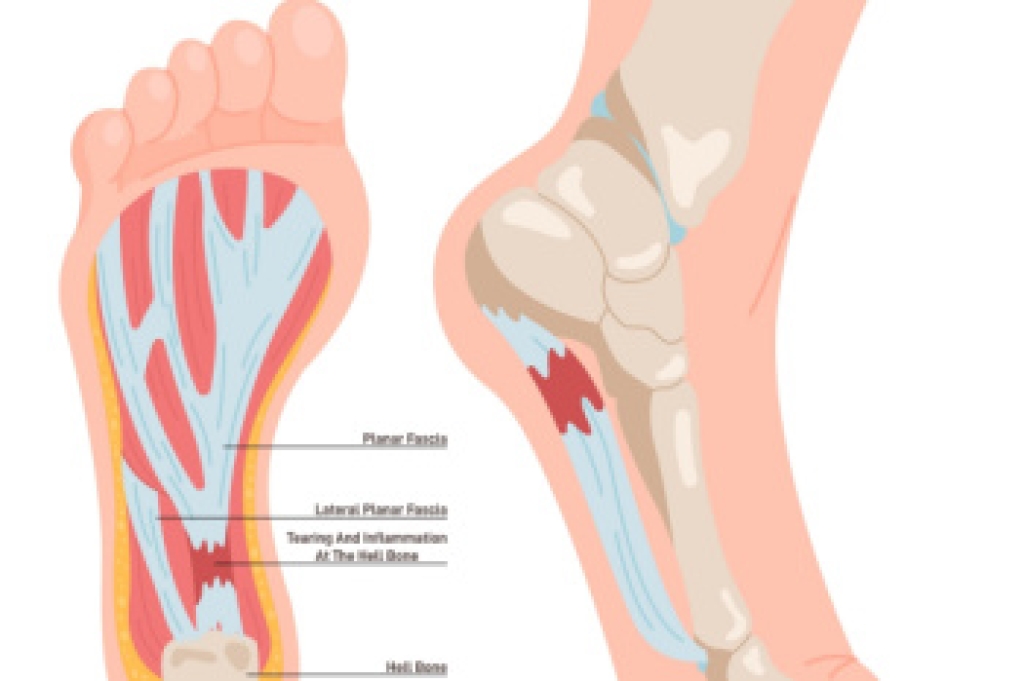
Plantar Fasciitis May Cause Persistent Heel Pain

Plantar fasciitis develops when the plantar fascia becomes irritated. This thick band of tissue connects the heel bone to the toes and supports the arch of the foot during walking. When excessive tension places repeated stress on this tissue, small areas of damage and inflammation may develop. Many people notice sharp heel pain when taking their first steps in the morning or standing after sitting for a long time. Although discomfort may improve with movement, pain can return after prolonged walking or standing, making everyday activities difficult.

Several factors contribute to plantar fasciitis, including foot and ankle biomechanics. People with flat feet may experience increased tension across the plantar fascia, while those with high arches may have less flexibility and reduced shock absorption. Abnormal foot motion can also change how pressure travels through the heel during walking. Age is another risk factor because the plantar fascia and heel fat pad may become less resilient over time. Obesity can increase pressure on the feet, placing additional strain on the supporting tissues. Other contributing factors include sudden increases in exercise, tight calf muscles, and wearing shoes that lack adequate arch support.


Plantar fasciitis symptoms often include tenderness beneath the heel and discomfort along the arch. Pain may become worse after running or spending hours on hard surfaces. Some people change their walking patterns to avoid pressure, which can create additional strain elsewhere in the foot. A podiatrist evaluates these symptoms by reviewing medical history and examining foot structure, flexibility, and walking mechanics. The examination may include pressing specific areas to locate tenderness. If symptoms suggest another condition, such as a stress fracture, the podiatrist may recommend X-rays or other imaging tests to clarify the diagnosis and guide treatment.


Treatment depends on symptom severity and the factors contributing to heel pain. A podiatrist may recommend wearing supportive footwear, custom orthotics, and temporary activity adjustments to reduce stress on the plantar fascia. Targeted stretching for the calf muscles and plantar fascia may also improve flexibility. Ice application helps ease discomfort, while medication may be considered when medically appropriate. If pain persists, additional options may include night splints or advanced in-office treatments. Surgery is rarely necessary and is generally considered only after conservative care fails. Early evaluation helps prevent prolonged discomfort and support recovery. If plantar fasciitis is suspected, it is suggested that you consult a podiatrist for effective relief and treatment solutions. 

Plantar fasciitis can be very painful and inconvenient. If you are experiencing heel pain or symptoms of plantar fasciitis, contact David Reynolds, DPM  from First Podiatry. Our doctor can provide the care you need to keep you pain-free and on your feet.

What Is Plantar Fasciitis?

Plantar fasciitis is the inflammation of the thick band of tissue that runs along the bottom of your foot, known as the plantar fascia, and causes mild to severe heel pain.

What Causes Plantar Fasciitis?

  • Excessive running
  • Non-supportive shoes
  • Overpronation
  • Repeated stretching and tearing of the plantar fascia

How Can It Be Treated?

  • Conservative measures – anti-inflammatories, ice packs, stretching exercises, physical therapy, orthotic devices
  • Shockwave therapy – sound waves are sent to the affected area to facilitate healing and are usually used for chronic cases of plantar fasciitis
  • Surgery – usually only used as a last resort when all else fails. The plantar fascia can be surgically detached from the heel

While very treatable, plantar fasciitis is definitely not something that should be ignored. Especially in severe cases, speaking to your doctor right away is highly recommended to avoid complications and severe heel pain. Your podiatrist can work with you to provide the appropriate treatment options tailored to your condition.

If you have any questions, please feel free to contact our office located in Evansville, IN . We offer the newest diagnostic and treatment technologies for all your foot care needs.

Read more about Plantar Fasciitis

How Aging Affects Foot Health and Mobility

As we get older, our feet change naturally. Years of walking can affect the skin, joints, and cushioning beneath the feet. You may notice soreness or stiffness during daily activities. Toenails may grow more slowly or become thicker. These changes are common, but new pain should not simply be blamed on age. Paying attention to your feet helps you spot problems early and stay comfortable as you remain active every day.

Toenail changes are common in older adults. Nails may develop ridges, turn yellow, or become brittle. Stiffness makes trimming harder, raising the risk of ingrown nails or cuts. A fungal infection may cause nails to look crumbly or discolored. Diabetes and poor circulation increase the risk of nail problems. A podiatrist examines your nails and checks for infection. Treatment may include careful trimming or thinning, with medication recommended when needed.

Changes in the feet affect balance and movement. Reduced joint flexibility or less natural cushioning may make walking uncomfortable. Additionally, arthritis and injuries add to the difficulty. Circulation problems may develop because of blood vessel disease. Warning signs include unusually cold feet, changes in skin color, or leg pain while walking. Diabetes and smoking can raise circulation risks. Poor blood flow may slow healing, so early assessment is important if you notice a sore or cut.

Podiatric visits can identify changes early. A podiatrist may check circulation, skin, and walking. Care may include nail treatment or advice about supportive footwear. At home, wash and dry your feet, moisturize dry skin, and check for sores. Seek podiatric care for sudden discoloration, severe pain, or a wound that will not heal. If you have foot pain or notice changes related to aging, it is suggested that you consult a podiatrist for an accurate diagnosis and appropriate treatment.

Proper foot care is something many older adults forget to consider. If you have any concerns about your feet and ankles, contact David Reynolds, DPM from First Podiatry. Our doctor can provide the care you need to keep you pain-free and on your feet.

The Elderly and Their Feet

As we age we start to notice many changes in our body, but the elder population may not notice them right away. Medical conditions may prevent the elderly to take notice of their foot health right away. Poor vision is a lead contributor to not taking action for the elderly.

Common Conditions 

  • Neuropathy – can reduce feeling in the feet and can hide many life-threatening medical conditions.
  • Reduced flexibility – prevents the ability of proper toenail trimming, and foot cleaning. If left untreated, it may lead to further medical issues.
  • Foot sores – amongst the older population can be serious before they are discovered. Some of the problematic conditions they may face are:
  • Gouging toenails affecting nearby toe
  • Shoes that don’t fit properly
  • Pressure sores
  • Loss of circulation in legs & feet
  • Edema & swelling of feet and ankles

Susceptible Infections

Diabetes and poor circulation can cause general loss of sensitivity over the years, turning a simple cut into a serious issue.

If you have any questions, please feel free to contact our office located in Evansville, IN . We offer the newest diagnostic and treatment technologies for all your foot care needs.

Read more about Elderly and their Feet

Ankle Sprain Symptoms and Podiatric Care

A sudden twist or awkward landing can turn an ordinary step into a painful ankle injury. An ankle sprain occurs when ligaments, the strong bands of tissue that connect bones and stabilize the joint, stretch beyond their limits or tear. Most sprains affect the ligaments along the outside of the ankle after the foot rolls inward. Walking on uneven ground, changing direction quickly, or missing a step increases the risk. Previous sprains also leave some people more vulnerable to another one. Symptoms include pain, swelling, and bruising. The ankle may feel stiff or unstable, and putting weight on the foot may hurt.

A podiatrist evaluates an ankle sprain by asking how the injury happened and examining the painful area. Checking tenderness, joint movement, and stability helps determine which ligaments are injured. The podiatrist also checks for signs of damage beyond the ligaments. Because a fracture sometimes causes symptoms similar to a sprain, X-rays help identify or rule out broken bones. An MRI provides a closer look at ligaments and other soft tissues when symptoms suggest a more serious injury. Difficulty bearing weight or marked swelling warrants prompt assessment. An accurate diagnosis helps guide treatment and reduces the risk of overlooking another problem.

Treatment depends on the severity of the sprain and the stability of the ankle. A podiatrist may prescribe a brace or walking boot to protect injured ligaments as they heal. The treatment plan also addresses how much weight the ankle should bear. Follow-up visits allow the podiatrist to monitor healing and guide a gradual return to activity. Persistent instability sometimes requires surgery when other treatment fails. Recovery ranges from several weeks to months, depending on the severity of the sprain. Returning to sports activity too soon raises the risk of repeated sprains and chronic pain. If you have sprained your ankle, it is suggested that you schedule an appointment with a podiatrist for effective relief and treatment solutions.

Ankle sprains are common but need immediate attention. If you need your feet checked, contact David Reynolds, DPM from First Podiatry. Our doctor can provide the care you need to keep you pain-free and on your feet.

How Does an Ankle Sprain Occur?

Ankle sprains take place when the ligaments in your ankle are torn or stretched beyond their limits. There are multiple ways that the ankle can become injured, including twisting or rolling over onto your ankle, putting undue stress on it, or causing trauma to the ankle itself.

What Are the Symptoms?

  • Mild to moderate bruising
  • Limited mobility
  • Swelling
  • Discoloration of the skin (depending on severity)

Preventing a Sprain

  • Wearing appropriate shoes for the occasion
  • Stretching before exercises and sports
  • Knowing your limits

Treatment of a Sprain

Treatment of a sprain depends on the severity.  Many times, people are told to rest and remain off their feet completely, while others are given an air cast. If the sprain is very severe, surgery may be required.

If you have suffered an ankle sprain previously, you may want to consider additional support such as a brace and regular exercises to strengthen the ankle.

If you have any questions please feel free to contact our office located in Evansville, IN . We offer the newest diagnostic tools and technology to treat your foot and ankle needs.

Read more about Three Grades of Ankle Sprains

Connect With Us

scroll to top