Managing and Preventing Ingrown Toenails

An ingrown toenail develops when the edge of the nail grows into the surrounding skin, causing pain, redness, swelling, and sometimes infection. Tight footwear, improper nail trimming, toe injuries, and inherited nail shape can all contribute. Early treatment from a podiatrist may include relieving pressure, reducing inflammation, treating infection if present, and safely correcting the nail edge. In recurring or severe cases, a minor in-office procedure may be recommended to remove part of the nail and help prevent the problem from returning. Prevention focuses on proper nail trimming, avoiding overly tight shoes, managing excessive foot moisture, and addressing foot structure issues that increase pressure on the toes. Attempting aggressive self-treatment can worsen pain or introduce infection, especially for people with diabetes or circulation concerns. Prompt care can prevent a minor nail problem from becoming more serious. If you are dealing with persistent toe pain or have signs of an ingrown toenail, it is suggested that you promptly visit a podiatrist for appropriate treatment solutions.

Ingrown toenails may initially present themselves as a minor discomfort, but they may progress into an infection in the skin without proper treatment. For more information about ingrown toenails, contact David Reynolds, DPM of First Podiatry. Our doctor can provide the care you need to keep you pain-free and on your feet.

Ingrown Toenails

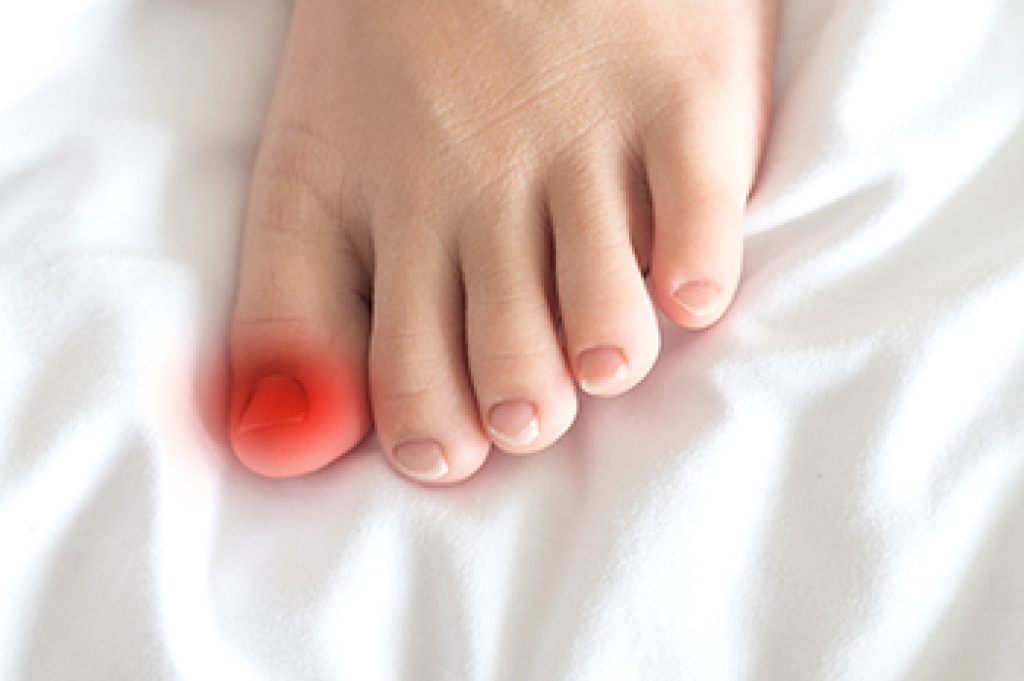
Ingrown toenails are caused when the corner or side of a toenail grows into the soft flesh surrounding it. They often result in redness, swelling, pain, and in some cases, infection. This condition typically affects the big toe and may recur if it is not treated properly.

Causes

  • Improper toenail trimming
  • Genetics
  • Improper shoe fitting
  • Injury from pedicures or nail picking
  • Abnormal gait
  • Poor hygiene

You are more likely to develop an ingrown toenail if you are obese, have diabetes, arthritis, or have any fungal infection in your nails. Additionally, people who have foot or toe deformities are at a higher risk of developing an ingrown toenail.

Symptoms

Some symptoms of ingrown toenails are redness, swelling, and pain. In rare cases, there may be a yellowish drainage coming from the nail.

Treatment

Ignoring an ingrown toenail can have serious complications. Infections of the nail border can progress to a deeper soft-tissue infection, which can then turn into a bone infection. You should always speak with your podiatrist if you suspect you have an ingrown toenail, especially if you have diabetes or poor circulation.

If you have any questions, please feel free to contact our office located in Evansville, IN . We offer the newest diagnostic and treatment technologies for all your foot care needs.
Read more about Ingrown Toenails

Stop Your Toenail Fungus

Have you noticed discoloration of your toenails? Have they become thickened or brittle? If so, you may be experiencing symptoms of a fungal nail infection. For some, having a fungal nail can be embarrassing. Overcome your embarrassment, and get treated.

Foot Problems in Children With Down Syndrome

Children with Down syndrome are more likely to develop foot and ankle problems that affect balance, comfort, and movement. Flat feet are very common because the muscles and ligaments in the feet are often looser than normal. This can place extra strain on the feet and ankles while walking. Some children also develop bunions, where the top of the big toe leans inward and the main joint forms a bump. Ankle instability can lead to frequent tripping or an unsteady gait. A podiatrist can examine the feet and ankles and evaluate how your child walks. Recommendations include more supportive footwear or custom orthotics to improve foot alignment. Braces can also help support weak ankles and improve stability. Regular foot exams are helpful because some problems become more noticeable as children grow. If your child with Down syndrome has foot or ankle pain, it is suggested that you make an appointment with a podiatrist for an exam and treatment.

Making sure that your children maintain good foot health is very important as they grow. If you have any questions, contact David Reynolds, DPM of First Podiatry. Our doctor can provide the care you need to keep you pain-free and on your feet.

Keeping Children's Feet Healthy

Having healthy feet during childhood can help prevent medical problems later in life, namely in the back and legs. As children grow, their feet require different types of care. Here are some things to consider...

Although babies do not walk yet, it is still very important to take care of their feet.

Avoid putting tight shoes or socks on his or her feet.

Allow the baby to stretch and kick his or her feet to feel comfortable.

As a toddler, kids are now on the move and begin to develop differently. At this age, toddlers are getting a feel for walking, so don’t be alarmed if your toddler is unsteady or ‘walks funny’. 

As your child gets older, it is important to teach them how to take care of their feet.

Show them proper hygiene to prevent infections such as fungus.

Be watchful for any pain or injury.

Have all injuries checked by a doctor as soon as possible.

Comfortable, protective shoes should always be worn, especially at play.

If you have any questions, please feel free to contact our office located in Evansville, IN . We offer the newest diagnostic and treatment technologies for all your foot care needs.
Read more about What to Do to Keep Your Child’s Feet Healthy

Gout and Pain in the Big Toe

Gout is a form of inflammatory arthritis caused by the buildup of urate crystals in the joints. These crystals form when uric acid levels in the body become elevated, leading to sudden and painful flare-ups. The big toe is commonly affected because of stress and lower temperature in the joint. Risk factors include male gender, alcohol intake, certain diets, and underlying health conditions. Symptoms include severe pain in the big toe, swelling, redness, and tenderness in the foot. The discomfort can appear quickly and limit movement. A podiatrist can help manage symptoms, provide guidance on lifestyle changes, and recommend treatments to reduce inflammation. If you have symptoms of gout, it is suggested that you are under the care of a podiatrist who can offer relief and management tips for this painful condition.

Gout is a painful condition that can be treated. If you are seeking treatment, contact David Reynolds, DPM from First Podiatry. Our doctor will treat your foot and ankle needs.

What Is Gout?

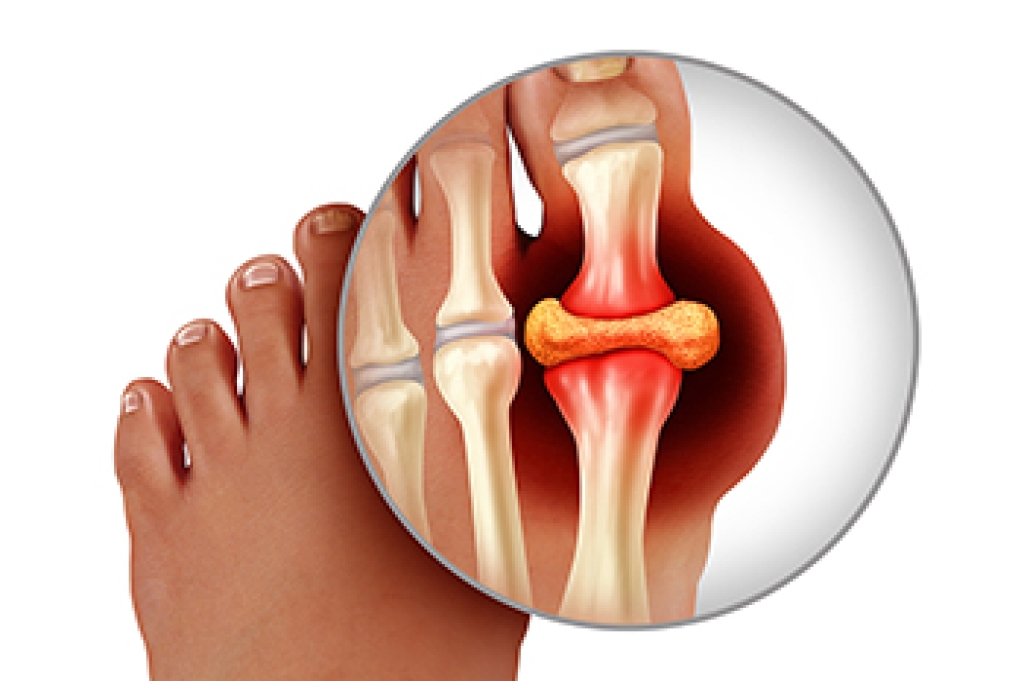
Gout is a form of arthritis that is characterized by sudden, severe attacks of pain, redness, and tenderness in the joints. The condition usually affects the joint at the base of the big toe. A gout attack can occur at any random time, such as the middle of the night while you are asleep.

Symptoms

  • Intense Joint Pain - Usually around the large joint of your big toe, and it most severe within the first four to twelve hours
  • Lingering Discomfort - Joint discomfort may last from a few days to a few weeks
  • Inflammation and Redness -Affected joints may become swollen, tender, warm and red
  • Limited Range of Motion - May experience a decrease in joint mobility

Risk Factors

  • Genetics - If family members have gout, you’re more likely to have it
  • Medications - Diuretic medications can raise uric acid levels
  • Gender/Age - Gout is more common in men until the age of 60. It is believed that estrogen protects women until that point
  • Diet - Eating red meat and shellfish increases your risk
  • Alcohol - Having more than two alcoholic drinks per day increases your risk
  • Obesity - Obese people are at a higher risk for gout

Prior to visiting your podiatrist to receive treatment for gout, there are a few things you should do beforehand. If you have gout you should write down your symptoms--including when they started and how often you experience them, important medical information you may have, and any questions you may have. Writing down these three things will help your podiatrist in assessing your specific situation so that he or she may provide the best route of treatment for you.

If you have any questions, please feel free to contact our office located in Evansville, IN . We offer the newest diagnostic and treatment technologies for all your foot care needs.
Read more about Gout

How High Heels Affect the Way You Walk

Wearing high heels can change the way a person walks by shifting body weight forward and placing extra pressure on the front of the foot. This altered position affects normal walking gait, which is the pattern of movement used when taking steps. The heel is lifted, causing shorter strides and reduced balance, while the knees and hips may bend more to compensate. This can strain muscles, tendons, and joints in the feet and ankles. Increased pressure on the forefoot may lead to pain, calluses, and deformities such as bunions. A podiatrist can evaluate gait through a detailed exam, and may use imaging tests to assess alignment and joint stress. Treatment may include custom orthotics, padding to reduce pressure, and guidance on supportive footwear to improve walking mechanics and reduce discomfort. If you have foot pain after wearing high heels, it is suggested that you schedule an appointment with a podiatrist for a diagnosis and appropriate treatment.

High heels have a history of causing foot and ankle problems. If you have any concerns about your feet or ankles, contact David Reynolds, DPM from First Podiatry. Our doctor can provide the care you need to keep you pain-free and on your feet.

Effects of High Heels on the Feet

High heels are popular shoes among women because of their many styles and societal appeal.  Despite this, high heels can still cause many health problems if worn too frequently.

Which Parts of My Body Will Be Affected by High Heels?

  • Ankle Joints
  • Achilles Tendon – May shorten and stiffen with prolonged wear
  • Balls of the Feet
  • Knees – Heels cause the knees to bend constantly, creating stress on them
  • Back – They decrease the spine’s ability to absorb shock, which may lead to back pain.  The vertebrae of the lower back may compress.

What Kinds of Foot Problems Can Develop from Wearing High Heels?

  • Corns
  • Calluses
  • Hammertoe
  • Bunions
  • Morton’s Neuroma
  • Plantar Fasciitis

How Can I Still Wear High Heels and Maintain Foot Health?

If you want to wear high heeled shoes, make sure that you are not wearing them every day, as this will help prevent long term physical problems.  Try wearing thicker heels as opposed to stilettos to distribute weight more evenly across the feet.  Always make sure you are wearing the proper shoes for the right occasion, such as sneakers for exercising.  If you walk to work, try carrying your heels with you and changing into them once you arrive at work.  Adding inserts to your heels can help cushion your feet and absorb shock. Full foot inserts or metatarsal pads are available. 

If you have any questions, please feel free to contact our office located in Evansville, IN . We offer the newest diagnostic and treatment technologies for all your foot care needs.

Read more about Why High Heels Are Not Ideal for Healthy Feet

Connect With Us

scroll to top